Leveraging Your Existing Network and Referrals for Warm Leads
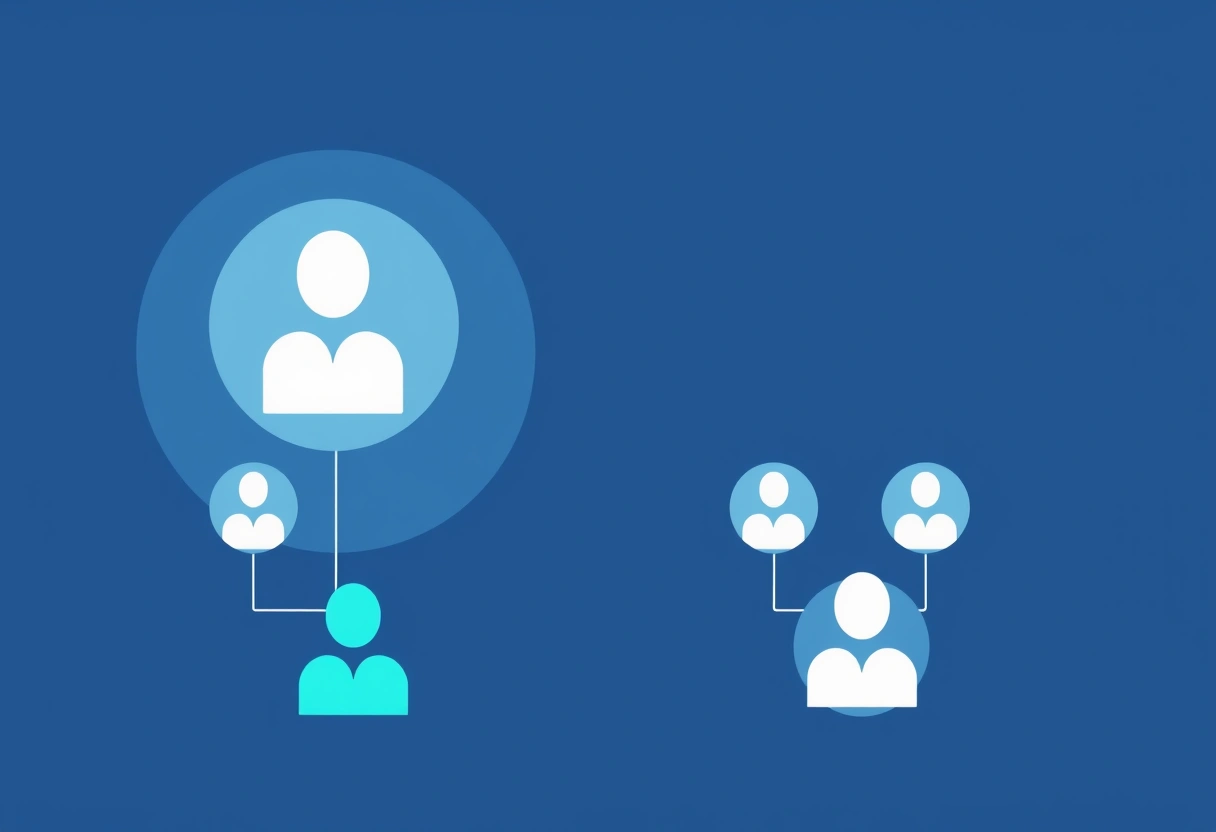
One of the most cost-effective ways to generate B2B leads small business owners often overlook is their existing network. Your current clients, past colleagues, and even personal contacts can be powerful referral sources. They already trust you and understand your value.
Start by identifying your best clients. Schedule a brief follow-up call, not to sell, but to check in and genuinely ask if they know other businesses that could benefit from your services. Frame the request specifically: "Who else do you know who struggles with [specific problem your service solves]?"
Don't be shy about asking for an introduction. A warm referral dramatically increases your chances of conversion compared to a cold outreach. We've seen referral conversion rates as high as 50-70%, far outperforming other lead sources.
Building a Referral Program (Even an Informal One)
You don't need complex software to run a referral program. A simple, informal system can work wonders. Offer a small thank-you gift, a discount on future services, or even a simple handwritten card for successful referrals.
- Identify key referrers: Who benefits most from your success? These are often complementary businesses or satisfied clients.
- Educate your referrers: Make sure they understand exactly who your ideal client is and what problems you solve. Provide them with a brief, clear value proposition.
- Make it easy for them: Give them a simple script or a one-pager they can forward. Ask for an email introduction rather than just a name.
- Follow up and thank them: Always close the loop, letting them know the outcome of their referral, regardless of whether it converts.
Content Marketing That Attracts, Without Breaking the Bank
You don't need a huge marketing team to create valuable content. Focus on solving specific problems for your ideal B2B customer. Thought leadership and helpful resources position you as an expert, drawing in potential B2B leads small business owners need organically.
Think about the most common questions your prospects ask. Each question can be a blog post, a short video, or a simple guide. These pieces of content demonstrate your expertise and provide genuine value upfront, building trust before any sales conversation begins.
For example, if you offer IT services, write about "5 Common Cybersecurity Threats for Small Businesses" or "How to Choose the Right Cloud Storage." These topics directly address pain points and attract businesses actively searching for solutions.
Distributing Your Content Strategically
Creating content is only half the battle; distribution is key. Share your articles on LinkedIn, participate in industry-specific forums, and even consider guest posting on other relevant blogs. Guest posts introduce you to a new audience already interested in your niche.
"The most impactful content for small businesses isn't viral entertainment; it's specific, actionable advice that directly addresses a prospect's urgent problem. Focus on being useful, not just visible."
Repurpose your content too. A blog post can become a series of social media updates, a short video script, or even a segment in a webinar. This maximizes your effort without constantly creating new material.

Smart, Personalized Outreach: Ditching the Cold, Embracing the Warm
Cold outreach gets a bad rap because most of it is poorly executed. For small businesses, highly targeted and personalized outreach can be incredibly effective for finding B2B leads small business owners might otherwise miss. It's about quality over quantity.
Instead of sending generic emails to hundreds, research 10-20 specific companies that fit your ideal client profile. Look at their recent news, their LinkedIn profiles, or even their local community involvement. Find a genuine reason to connect.
Your opening line shouldn't be about you; it should reference something specific about them. "I noticed you recently expanded into X market – congratulations! I specialize in helping businesses like yours [solve relevant problem]." This shows you've done your homework.
Finding Your Prospects and Their Contact Info
There are several ways to find targeted prospects without a hefty budget:
- Google Maps & Local Search: For local businesses, Google Maps is a treasure trove. Search for businesses by industry in your target areas.
- LinkedIn: Use LinkedIn's basic search filters for industry, company size, and location. Look for decision-makers (e.g., Marketing Director, CEO).
- Industry Directories: Many industries have free online directories.
Once you have a target list, finding verified contact information is the next step. Manually searching websites can be time-consuming. This is where tools come in handy. For finding verified business emails and phone numbers from specific local areas, tools like EasyMapLeads can automate the process by extracting data directly from Google Maps and even generating personalized icebreakers for your outreach.
Here's a comparison of outreach methods for small businesses:
| Method | Pros | Cons | Budget Implication |
|---|---|---|---|
| Personalized Email | High potential for engagement, scalable with templates | Requires research per prospect, can be time-consuming | Low (tools like EasyMapLeads help) |
| LinkedIn Message | Direct access to decision-makers, professional context | Response rates vary, connection limits | Low (free LinkedIn account) |
| Cold Calling | Immediate feedback, can build rapport quickly | High rejection rate, requires thick skin and good script | Low (phone costs) |
| In-Person Networking | Strong relationship building, direct connection | Time-intensive, limited reach per event | Low (event fees, travel) |
Building Authority Through Active Community Engagement
Being an active participant in relevant online and offline communities is a powerful, low-cost strategy for generating B2B leads small business owners should embrace. It's about demonstrating your expertise and helpfulness without an overt sales pitch.
Join LinkedIn groups, Reddit communities, or industry-specific forums where your target audience congregates. Look for opportunities to answer questions, offer insights, and provide value. Don't just drop links to your services; genuinely help people solve their problems.
When you consistently provide valuable contributions, you establish yourself as a thought leader. People will naturally be curious about who you are and what your business does. This organic curiosity often leads to inbound inquiries, which are much warmer than cold leads.
Speaking Engagements and Webinars
Consider offering to speak at local business associations, chambers of commerce, or even hosting your own free webinar. Choose a topic where you have deep expertise and that addresses a common pain point for your target audience. For instance, if you're a marketing consultant, you could present on "Low-Cost Digital Marketing Strategies for Local Businesses."
These engagements position you as an expert and provide direct access to potential clients in a non-sales environment. Attendees are already interested in the topic you're discussing, making them highly qualified prospects.
Optimizing Your Online Presence for Organic Discovery
Even without a big ad budget, your online presence is crucial for attracting B2B leads small business customers might discover through search. A clean, informative website and optimized local listings are fundamental.
Ensure your website clearly articulates what you do, who you help, and how to contact you. Use clear calls to action (CTAs). Your contact page should be easy to find and include multiple ways to get in touch, like a phone number, email, and a simple contact form.
For local B2B lead generation, optimizing your Google Business Profile is non-negotiable. It's free and helps you appear in local search results and Google Maps. Fill out every section completely, add high-quality photos, and consistently respond to reviews.
Local SEO Basics
Include your service areas and relevant keywords naturally on your website and in your Google Business Profile. For example, if you're an accountant serving small businesses in Austin, make sure "Austin small business accountant" appears on your site. Encourage satisfied clients to leave reviews on your Google Business Profile – positive reviews are a huge trust signal.
Even if you don't run paid ads, a strong organic presence ensures that when a potential client searches for a solution you provide, your business has a good chance of showing up. This passive lead generation is incredibly efficient.
Tracking What Works and Iterating for Better Results
You can't improve what you don't measure. For a small business, this doesn't mean investing in complex CRM systems; a simple spreadsheet can be enough to track your lead generation efforts and understand what's actually working.
Create a simple system to log your outreach activities, who you contacted, when, and the outcome. Track which content pieces generate the most inquiries or website traffic. This data helps you refine your approach and allocate your limited time and resources more effectively.
Focus on key metrics like response rates, meeting booked rates, and ultimately, conversion rates from lead to client. If your cold emails have a 5% response rate but your referral leads convert at 60%, you know where to double down your efforts.
A Simple Tracking Table Example
Here’s a basic structure for tracking your B2B leads small business efforts:
| Date | Prospect Name | Company | Source (e.g., LinkedIn, Referral, EasyMapLeads) | Outreach Method | Initial Response | Status | Notes |
|---|---|---|---|---|---|---|---|
| 2024-03-10 | Jane Doe | Acme Corp | Personalized Message | Interested in 15-min call | Meeting Booked | Referred by John Smith | |
| 2024-03-12 | Mark Lee | Global Solutions | EasyMapLeads (Google Maps) | Cold Email | No response | Follow-up scheduled | Used AI icebreaker |
| 2024-03-15 | Sarah Chen | Local Cafe | Referral (Client A) | Email Introduction | Expressed interest | Qualified Lead | Needs IT support |
Regularly review your data, perhaps weekly or monthly. Identify patterns: Are certain outreach messages performing better? Is one lead source consistently yielding higher quality prospects? Use these insights to continuously refine your strategy and improve your results without spending more.
Frequently Asked Questions
How long does it take to see results from B2B lead generation without a big budget?
Results can vary, but with consistent effort in networking, content creation, and targeted outreach, you might start seeing initial leads within 1-3 months. Building a steady pipeline often takes 6-12 months of sustained activity.
What's the most effective free tool for finding B2B leads?
For most small businesses, LinkedIn's free search features are highly effective for identifying target companies and decision-makers. Google Maps and local business directories are also excellent for finding geographically targeted leads.
Should small businesses cold call for B2B leads?
Cold calling can be effective if done strategically and with a highly personalized approach, but it requires resilience. Focus on warm calls from referrals or prospects who've engaged with your content for higher success rates.
How can I personalize outreach without a large team?
Focus on quality over quantity. Research fewer prospects in depth, looking for specific trigger events or shared connections. Tools like EasyMapLeads can also help by generating AI-powered personalized icebreakers for your outreach.
What's a good conversion rate for B2B leads?
Conversion rates vary significantly by industry and lead source. Generally, a conversion rate from lead to customer between 3-10% is considered decent for cold leads, while warm leads or referrals can convert much higher, often 20-50% or more.