Master Your Google Business Profile – Your Digital Storefront
Your Google Business Profile (GBP) is often the first interaction potential local customers have with your business. Think of it as your virtual storefront. Optimizing it is one of the most impactful free marketing strategies available, directly influencing local search rankings and customer trust.
Claim and Verify Your Listing
First, claim your business on Google. If it already exists, you'll need to verify you're the owner, typically through a postcard sent to your physical address or a phone call. This step is non-negotiable for taking control of your online presence.
Optimize Every Detail for Discovery
Once verified, fill out every single field comprehensively. This isn't just busywork; Google uses this information to match your business with relevant searches.
- Accurate Name, Address, Phone (NAP): Ensure these are consistent everywhere online. Inconsistencies confuse both search engines and customers.
- Business Categories: Choose the most specific primary category, then add up to nine additional relevant categories. This significantly broadens your reach.
- Business Hours: Keep these updated, including special holiday hours.
- Services/Products: Detail what you offer. Use keywords naturally in descriptions that local customers might search for.
- High-Quality Photos: Upload at least 10-15 high-resolution images. Include your logo, cover photo, interior, exterior, product shots, and photos of your team. Businesses with more photos on their GBP get 42% more requests for directions and 35% more clicks to their websites.
Engage with Reviews and Posts
Your GBP is interactive. Make it a hub of activity to show Google and customers that you're an active, responsive business.
Respond to Reviews: Always respond to every review, positive or negative. Thank positive reviewers and address concerns professionally with negative ones. This shows transparency and excellent customer service.
Utilize Google Posts: Regularly create Google Posts for updates, special offers, events, or new product announcements. These appear directly in your profile and can drive immediate interest. Aim for at least one post per week to keep your profile fresh.
Local SEO & Content that Attracts
Beyond your Google Business Profile, integrating local SEO into your website and creating relevant content are powerful free marketing strategies. This helps search engines understand your local relevance and connects you with customers actively searching for businesses like yours in their immediate vicinity.
On-Site Optimization for Local Searches
Your website is a crucial asset. Make sure it's optimized for local search terms. This means weaving local keywords naturally into your site's content.
- Location-Specific Keywords: Include your city, neighborhood, or region in your website's page titles, meta descriptions, headings (H2s, H3s), and body text. For example, instead of just "Plumbing Services," use "Emergency Plumbing Services in [Your City Name]."
- Dedicated Location Pages: If you serve multiple areas, create a specific page for each location. Each page should have unique content, local testimonials, and a map.
- Schema Markup: Implement local business schema markup on your website. This is code that tells search engines specific details about your business, like your address, phone number, and opening hours, in a structured format. Tools exist to generate this code easily, even for non-developers.
Create Hyper-Local Content
Content marketing doesn't have to be about global topics. For local businesses, hyper-local content is gold. It positions you as an expert and a valuable resource in your community.
- Local Guides: Write blog posts like "The Best Coffee Shops in Downtown [Your City]" or "A Guide to Family-Friendly Parks in [Your Neighborhood]." Even if you're a shoe store, you can offer a guide to "Walking Trails in [Your City]" and subtly mention comfortable footwear.
- Community Events Calendar: Create a page or blog series highlighting upcoming local events. This brings local traffic to your site and positions you as a community hub.
- "Meet the Locals" Features: Interview other non-competing local business owners or notable community members. This creates goodwill and shareable content.
When someone searches for "things to do in [your city]," your content could pop up, introducing them to your brand even before they need your primary product or service.
Community Connections & Strategic Partnerships
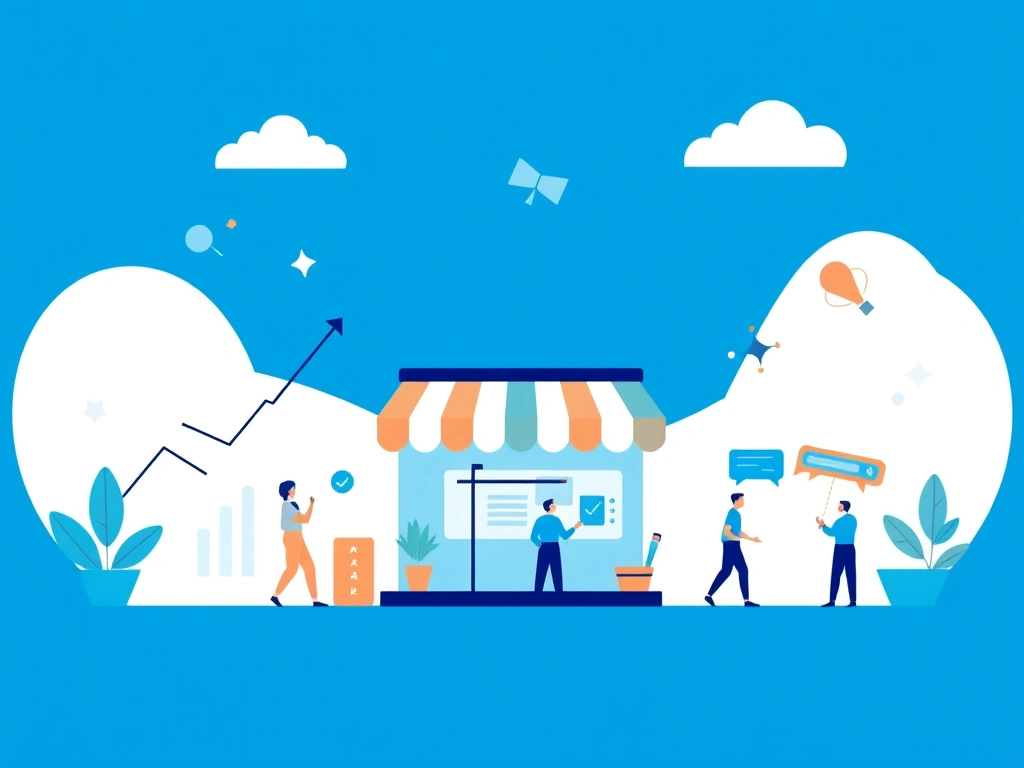
Building strong relationships within your local community is a powerful, often overlooked, free marketing strategy. It creates a network of support and referrals that money can't buy.
Get Involved Locally
Show up where your community gathers. This face-to-face interaction builds trust and recognition.
- Attend Local Events: Go to farmer's markets, town festivals, or holiday parades. Simply being present and engaging with people can put your business on their radar.
- Join Local Business Organizations: Chambers of Commerce, BNI groups, or local merchant associations offer networking opportunities. You'll meet other business owners who might become partners or refer clients.
- Offer Free Workshops or Talks: If you're a baker, offer a free cookie decorating class. If you're a financial advisor, host a "Budgeting for Beginners" talk at the local library. This showcases your expertise and attracts interested individuals.
Cross-Promote with Non-Competing Businesses
Identify businesses that serve your ideal customer but don't directly compete with you. For example, a pet groomer could partner with a local vet clinic or a pet supply store.
Partnership Ideas:
- Joint Promotions: Offer a discount to customers who show a receipt from your partner business, and vice-versa.
- Bundle Services/Products: Create a package deal with a complementary business. A local spa could partner with a hair salon for a "Pamper Yourself" package.
- Referral Exchanges: Simply agree to recommend each other's services to your respective customer bases.
To identify potential partners, consider businesses that serve your ideal customer but don't directly compete with you. You can use a tool like EasyMapLeads to quickly pull contact information for businesses in your area, making it easier to initiate these partnership discussions effectively. This targeted approach saves time and helps you connect with the right people.
Cultivate Reviews and Implement a Referral System
Word-of-mouth is the oldest and arguably most effective free marketing strategy. In the digital age, this translates to online reviews and robust referral systems. People trust what other people say about you far more than what you say about yourself.
Ask for Reviews Consistently
Don't wait for customers to leave reviews; actively encourage them. Make it a part of your customer service routine.
- In-Person Request: "If you enjoyed your experience today, we'd be grateful if you could share your thoughts online."
- Follow-up Email/SMS: After a purchase or service, send a polite email with a direct link to your Google Business Profile, Yelp, or relevant industry review sites.
- QR Codes: Place QR codes at your checkout counter or on receipts that link directly to your review pages.
Make the process as frictionless as possible. The easier it is, the more likely customers are to leave a review. Aim for at least 5-10 new reviews per month to maintain momentum and credibility.
Respond to All Feedback
As mentioned with your GBP, responding to reviews is crucial. It shows you're engaged and value customer opinions.
A study by BrightLocal found that 79% of consumers trust online reviews as much as personal recommendations. This isn't just about getting stars; it's about building genuine trust with potential customers by showing you listen and care.
For positive reviews, a simple "Thank you, we appreciate your business!" is sufficient. For negative reviews, acknowledge the issue, apologize if appropriate, and offer to resolve it offline. Never get into a public argument.
Simple Referral Programs
Formal referral programs don't need to be complex or expensive. They simply need to recognize and reward customers who bring you new business.
- "Friend Gets a Discount, You Get a Discount": Offer a small percentage off their next purchase to both the referrer and the new customer.
- Exclusive "Thank You": For service-based businesses, a handwritten thank-you card and a small, thoughtful gift (e.g., a local coffee shop gift card) can go a long way.
- "Refer 3, Get X Free": For recurring services, offer a free service after a certain number of successful referrals.
The key is to track referrals and ensure you follow through on your promises. This encourages repeat behavior and turns loyal customers into enthusiastic advocates.
Direct Outreach & Personalized Follow-ups
While often associated with B2B, direct outreach can be a highly effective free marketing strategy for local businesses, both B2B and B2C. It's about proactively reaching out to potential customers or partners with a personalized message, rather than waiting for them to find you.
Build a Targeted Local Contact List
Start by identifying who you want to reach. Are they other local businesses for partnership opportunities? Or are they individual potential clients who fit a specific demographic?
- Google Maps: A fantastic resource for finding local businesses. You can manually collect contact information, or for efficiency, use specialized tools.
- Local Directories: Chamber of Commerce member lists, local business associations, or community group rosters.
- Social Media: LinkedIn for professionals, local Facebook groups for community members.
For direct outreach, finding verified contact details is crucial. Tools like EasyMapLeads can automate the process of extracting verified business emails and phone numbers from Google Maps, and even generate AI-powered personalized icebreakers to start conversations effectively. This helps you skip the guesswork and get straight to genuine connection, saving you hours of manual research.
Craft Compelling Outreach Messages
Whether it's an email, a LinkedIn message, or even a well-crafted physical letter, your message needs to be personalized and value-driven. Avoid generic sales pitches.
Focus on them, not you: Start by mentioning something specific you know about their business or situation. How can you genuinely help them or offer something of value?
Here’s a simple structure for an initial outreach message:
| Element | Description | Example |
|---|---|---|
| Subject Line | Personalized, specific, intriguing. | "Quick question regarding [Their Business Name]" or "Idea for [Their Business Name] from [Your Business Name]" |
| Opening | Show you've done your homework; connect with something specific. | "I noticed your recent community event for [Local Charity], very impressive!" or "I was just driving past your shop on [Street Name] and loved your window display." |
| Value Proposition | Briefly explain how you can genuinely help or offer a unique opportunity. | "I believe our [product/service] could help you [achieve X benefit, e.g., attract more foot traffic]." or "I was thinking about a potential cross-promotion between our businesses that could benefit both our customers." |
| Call to Action (CTA) | Low-commitment, easy next step. | "Would you be open to a quick 10-minute chat next week?" or "Let me know if you'd like to hear more." |
Keep your messages concise – 2-3 short paragraphs maximum. People are busy.
Follow Up Thoughtfully
Most initial outreach doesn't get a response. Persistence is key, but not pushiness. Send a polite follow-up 3-5 business days after your initial message.
Your follow-up can be as simple as: "Just wanted to gently bump this up in your inbox in case you missed it. No worries if now isn't the right time, but I still believe [mention value proposition]." You can send one or two follow-ups before moving on. A polite, value-focused approach helps maintain a positive image, even if they don't respond.
Frequently Asked Questions
How quickly can I see results from these free marketing strategies?
Some strategies, like optimizing your Google Business Profile, can show results within weeks. Others, like building community partnerships or content marketing, are long-term investments that build momentum over several months.
Do I need a website for these strategies to work?
While not strictly mandatory for all strategies (e.g., direct outreach or GBP), a website significantly amplifies your efforts, providing a central hub for information, trust-building, and local SEO.
How much time should I dedicate to free marketing strategies weekly?
Even 3-5 hours per week consistently applied can yield significant results. Prioritize one or two strategies to start, then gradually expand as you see success and gain confidence.
Can I use these strategies for an online-only local business?
Yes, many of these strategies are highly effective for online-only local businesses. Focus on optimizing your Google Business Profile with service areas, creating hyper-local content, and engaging in community groups online.