Hyper-Target Your Ideal Local Client Profile
Effective B2B lead generation small business strategies begin with precision. You don't need to reach everyone; you need to reach the right local businesses that genuinely need your services. Start by defining your ideal client within your geographic service area, perhaps a 5, 10, or 25-mile radius from your office.
Think beyond just industry. Consider specific firmographics and pain points. For instance, if you offer IT support, are you targeting law firms with 10-50 employees, or manufacturing plants with specific compliance needs? This clarity saves wasted effort and budget.
Define Your Local Ideal Client Criteria
Pinpointing your perfect local prospect involves several key attributes. Write these down and use them as filters for all your lead generation efforts.
- Industry/Niche: Use NAICS or SIC codes to narrow down specific sectors (e.g., NAICS 541110 for legal services).
- Company Size: Number of employees (e.g., 10-50, 50-250) or annual revenue.
- Geographic Location: Specific neighborhoods, zip codes, or towns you want to serve.
- Budget/Spending Capacity: Are they likely to invest in your solution?
- Pain Points/Challenges: What specific problems do they face that your service solves?
- Decision-Maker Role: Who makes purchasing decisions for your type of service? (e.g., CEO, Marketing Director, Operations Manager).
Tools for Local Prospect Identification
Once you have your criteria, you need to find these businesses. Several tools can assist you in this crucial step.
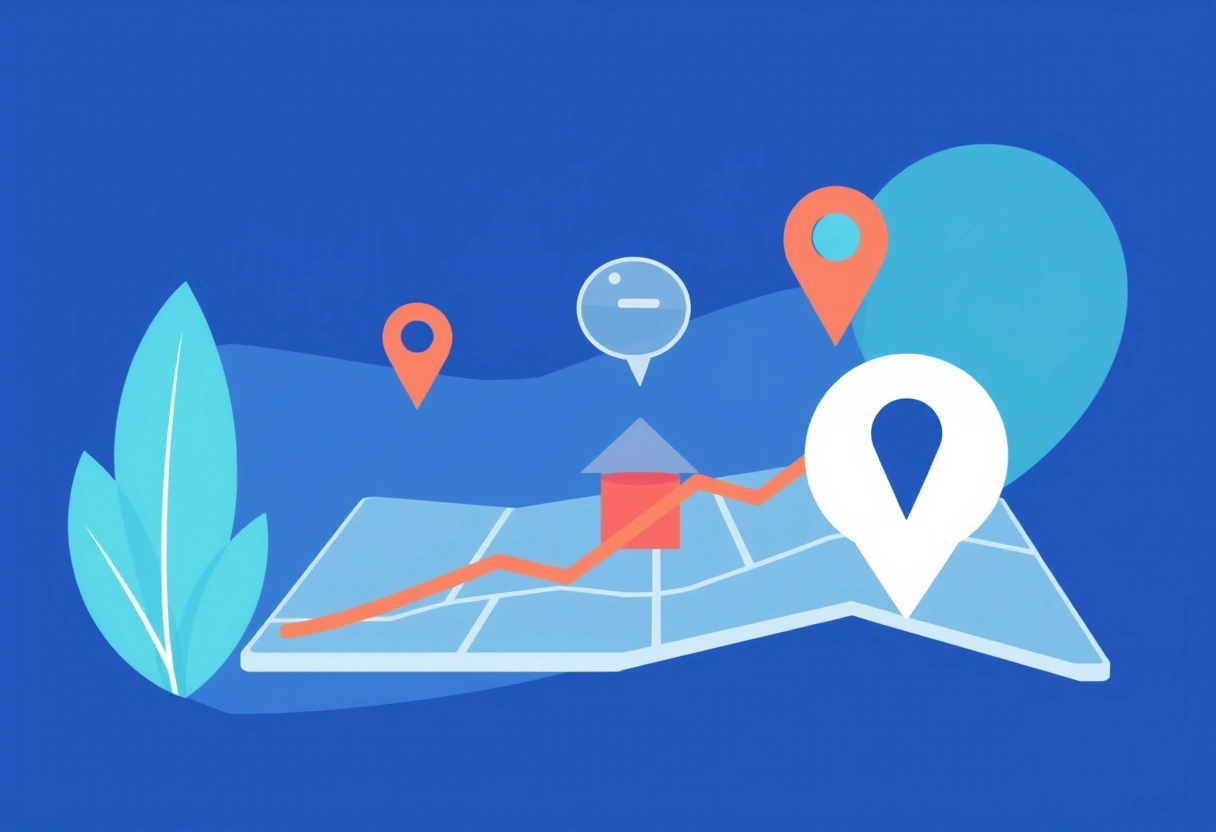
Local business directories like Yelp for Business Owners, Yellow Pages, or industry-specific associations are good starting points. Your local Chamber of Commerce often provides membership directories, which can be invaluable for identifying businesses already engaged in the local community. For a more visual approach to mapping local businesses that fit your criteria, tools like EasyMapLeads (https://easymapleads.com) can help you identify and visualize potential prospects within specific geographic boundaries.
LinkedIn Sales Navigator allows highly refined searches by location, industry, company size, and job title, making it excellent for finding specific decision-makers. You can also manually scout local business parks, main streets, and commercial areas, observing businesses that appear to fit your profile.
Build Authentic Local Relationships
In a local market, trust and relationships are paramount. People prefer to do business with those they know and like. Your strategy for B2B lead generation small business must prioritize genuine connection over transactional interactions.
This means actively participating in the community and consistently showing up where your prospects are, not just to sell, but to contribute and learn.
Engage in Local Networking Events
Attending local events is a direct path to meeting potential clients and referral partners. Don't just collect business cards; focus on having meaningful conversations and understanding others' needs.
- Chamber of Commerce Meetings: Many chambers host regular networking breakfasts, luncheons, and after-hours events. Become a member and attend consistently.
- Industry-Specific Associations: If your target clients are, for example, accountants or dentists, seek out their local professional associations.
- Service Clubs: Rotary, Lions, Kiwanis clubs are often comprised of local business owners and leaders.
- Local Trade Shows/Expos: Even small local expos can put you in front of dozens of potential clients in a single day.
Follow up promptly and personally after meeting someone. A quick email referencing a specific point of your conversation is far more effective than a generic sales pitch.
Foster Strategic Local Partnerships
Think about businesses that serve your ideal client but offer non-competing services. For example, if you offer marketing services, a local web design firm or IT consultant could be an excellent referral partner. You can cross-promote each other's services.
"In local markets, your network isn't just about who you know; it's about who trusts you enough to refer you. A single, strong referral partnership can outperform dozens of cold outreach efforts because it comes with built-in credibility."
Consider co-hosting a free workshop or seminar with a complementary local business. This allows you to pool resources, expand your reach, and provide value to a shared audience, positioning both businesses as local experts.
Dominate Local Search & Digital Presence
Even for B2B, local businesses rely heavily on online search. When a local business needs a service, their first step is often a Google search like "commercial cleaning services near me" or "business consultant [city name]". Your B2B lead generation small business strategy must ensure you appear prominently in these searches.
Optimize Your Google Business Profile (GBP)
Your GBP is your digital storefront. It's free and crucial for local visibility. Claim and fully optimize your profile.
- Complete All Sections: Fill out business name, address, phone number, website, hours, services, and categories accurately.
- Add High-Quality Photos: Include pictures of your office, team, and even clients (with permission).
- Collect Reviews: Actively encourage satisfied clients to leave reviews. Respond to all reviews, positive or negative, professionally.
- Post Regularly: Use the GBP "Posts" feature to share updates, offers, and events.
Implement Local SEO Strategies
Local SEO is about optimizing your website and online content to rank for geographically specific keywords.
Embed your full address and phone number (NAP – Name, Address, Phone) consistently across your website and all online directories. Create service pages specifically tailored to your local area, for example, "IT Support for Law Firms in [Your City's Main Business District]".
| Local SEO Checklist Item | Action Steps for B2B Lead Generation Small Business |
|---|---|
| Keyword Research | Identify keywords like "accounting services [city name]", "commercial plumbing [neighborhood]", "marketing agency [county]". |
| On-Page Optimization | Include local keywords in page titles, meta descriptions, headers, and content. Ensure your address is in the footer. |
| Local Citations | List your business on relevant directories: Yelp, Yellow Pages, industry-specific sites, local chamber directories. Ensure NAP consistency. |
| Schema Markup | Implement local business schema markup on your website to help search engines understand your location and services. |
| Mobile Responsiveness | Your website must be fast and easily viewable on all mobile devices, as many local searches happen on phones. |
Run Targeted Local Online Ads
Google Ads and social media platforms like Facebook/Instagram allow precise geographic targeting. You can run campaigns specifically to businesses within a few miles of your location or targeting specific zip codes.
For Google Ads, focus on local keywords with high commercial intent (e.g., "best commercial HVAC repair [city]"). For social media, target business owners or decision-makers in your desired area with ads showcasing your local expertise and client testimonials.
Direct Outreach with a Personal Touch
While digital presence and networking are vital, direct outreach remains a powerful component of B2B lead generation small business. The key is to be highly personalized and value-driven, rather than generic and salesy.
Craft Hyper-Personalized Cold Emails & LinkedIn Messages
Generic templates rarely work for B2B. Research each prospect. Find something specific about their business, a recent achievement, or a local connection you share.
For example, if you're a commercial cleaning service, you might reference their recent office expansion you saw reported in the local business journal. Or, if you're a marketing agency, mention a specific local campaign you admire (or see an opportunity to improve).
Your opening line should be about them, not you. Keep it concise, offer a clear value proposition related to a pain point you've identified, and have a simple call to action (e.g., "Would you be open to a 15-minute call to discuss how we helped [local client X] achieve [result Y]?").
Consider Strategic Direct Mail Campaigns
In a world saturated with digital communication, a well-executed direct mail piece can stand out. This isn't about mass mailings; it's about sending a highly targeted, personalized physical letter or package to a select list of high-value prospects.
For example, a boutique consulting firm might send a beautifully printed, custom-designed brochure or a small, relevant gift with a handwritten note to 20 specific local CEOs. The novelty and effort can make a significant impression and open doors that digital messages might not.
Host Exclusive Local Workshops or Webinars
Position yourself as a local expert by hosting small, invite-only workshops on topics relevant to your ideal clients. For example, an accounting firm could host a "Tax Planning Strategies for Local Small Businesses" seminar. A digital marketing agency might offer a "Leveraging Google Business Profile for Local Growth" workshop.
These events provide tangible value, allow prospects to experience your expertise firsthand, and create a natural environment for networking and follow-up. Collect business cards and offer a free, no-obligation consultation to attendees.
Nurture and Convert Through Consistent Value
Generating a lead is only the first step. The real work in B2B lead generation small business lies in nurturing that lead into a paying client. This requires a consistent, value-driven approach that builds trust over time.
Implement a Multi-Touch Follow-Up Strategy
Few deals close on the first interaction. Develop a structured follow-up plan that includes multiple touchpoints across various channels. This might involve:
- Day 1: Personalized "nice to meet you" email after a networking event.
- Day 3: LinkedIn connection request with a brief, relevant message.
- Day 7: Share a valuable piece of content (blog post, case study) relevant to their business challenge.
- Day 14: A brief phone call or email checking in, offering further assistance.
- Ongoing: Invite them to relevant local events or webinars you're hosting.
The goal is to stay top-of-mind without being pushy. Always offer value in each interaction.
Offer Free Local Consultations or Audits
A powerful way to demonstrate your expertise and build rapport is to offer a no-strings-attached consultation or audit. For example, a cybersecurity firm could offer a "Local Business Security Health Check." A marketing agency might offer a "Free Local SEO Audit."
This allows you to showcase your knowledge, identify specific pain points for the prospect, and present your solution as the natural next step. Focus on providing genuine insights during this session, not just a sales pitch.
Showcase Local Success Stories
Local businesses want to see that you understand their specific market challenges and have helped other businesses in their community succeed. Develop case studies and testimonials specifically featuring your local clients.
Detail the problem your local client faced, the solution you provided, and the measurable results achieved (e.g., "Helped ABC Restaurant in Downtown generate 25% more online reservations"). Use their names (with permission) and include photos if possible. These resonate far more than generic examples from distant clients.
Frequently Asked Questions
How much budget do I need for B2B lead generation as a small business locally?
You can start with a very modest budget by focusing on free methods like optimizing your Google Business Profile, attending local networking events, and personalized direct outreach. As you see results, you can incrementally invest in paid tools or targeted local ads.
What's the quickest way to get local B2B leads?
The quickest way is often a combination of highly targeted personalized cold outreach (email/LinkedIn) to a well-researched list of prospects, paired with active participation in local networking events where decision-makers are present. Offer immediate value.
Should I use social media for local B2B lead generation?
Yes, absolutely. LinkedIn is excellent for professional networking and direct outreach to specific decision-makers. Facebook and Instagram can be effective for highly localized paid campaigns targeting business owners or specific demographics within your service area.
How do I track my local B2B lead generation efforts?
Use a simple CRM (Customer Relationship Management) system or even a spreadsheet to log every lead, their source, communication history, and stage in your sales pipeline. This helps you understand which strategies are most effective.